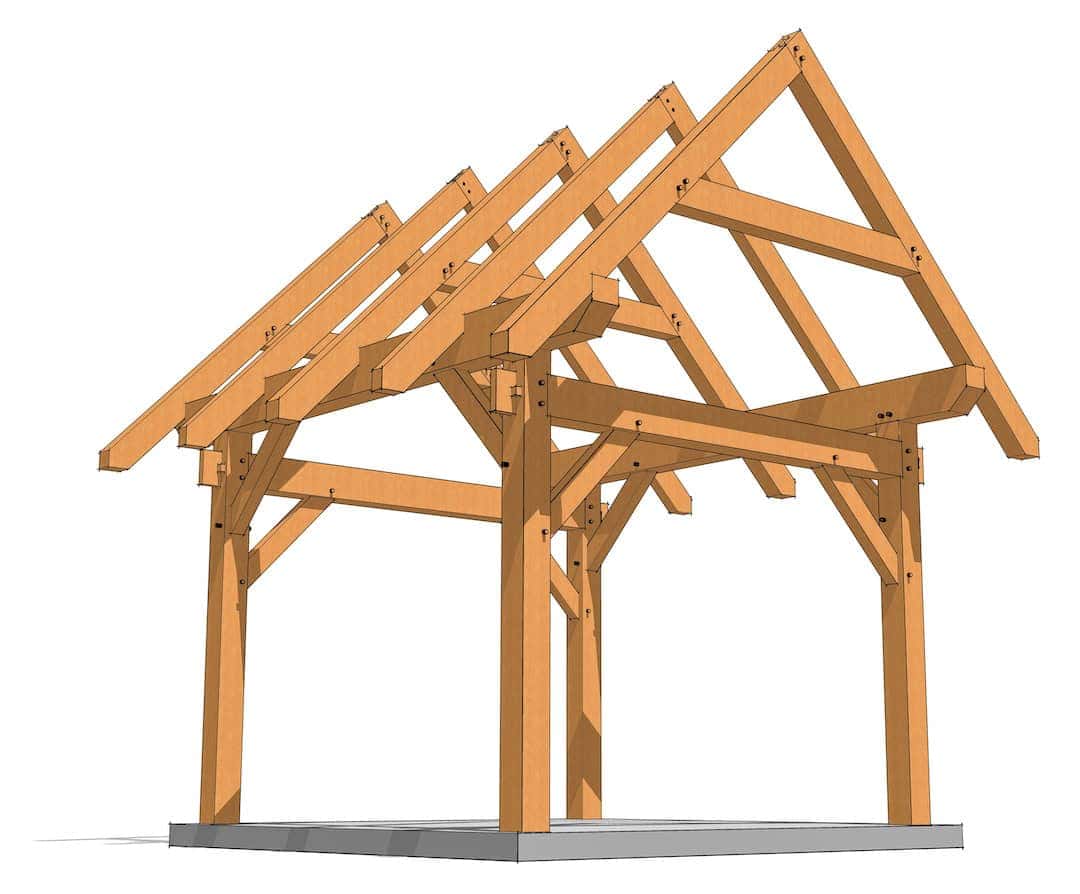
Straining Beam
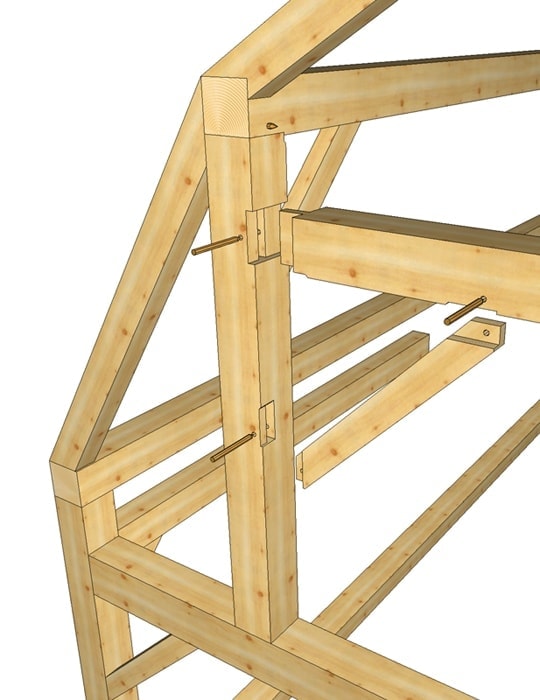
Every timber gets its name from where it is in the frame. This beam is between two posts. It holds them apart from the rafters pushing them in.It is called a “Straining Beam”. Here is an exploded view of one. […]

Every timber gets its name from where it is in the frame. This beam is between two posts. It holds them apart from the rafters pushing them in.It is called a “Straining Beam”. Here is an exploded view of one. […]
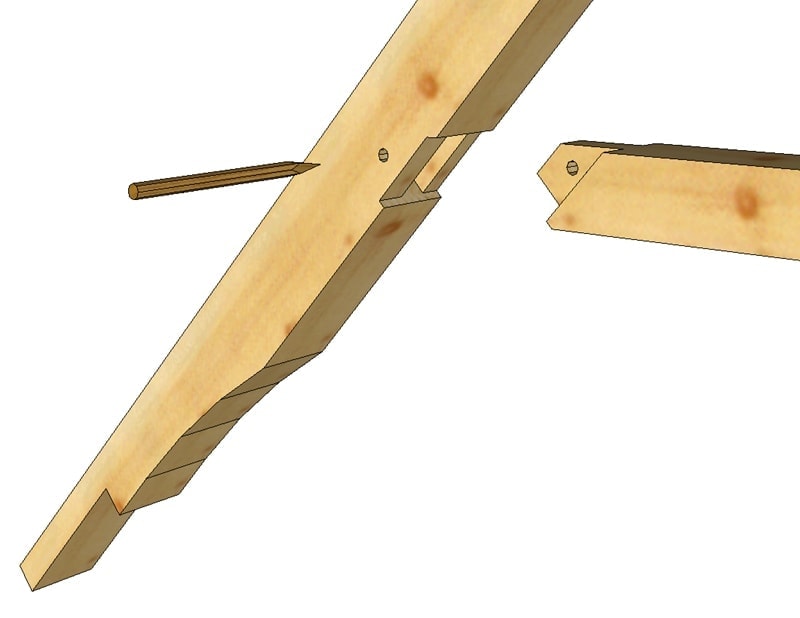
This timber detail exploded view is of a collar beam, which is a 4×4 connecting to a 4×6 rafter.The pitch is 12/12, and the tenon is set off the reference face 1 1/2″ and then 1 1/2″ thick, with a 3/4″
Collar Beam Timber Detail Read More »
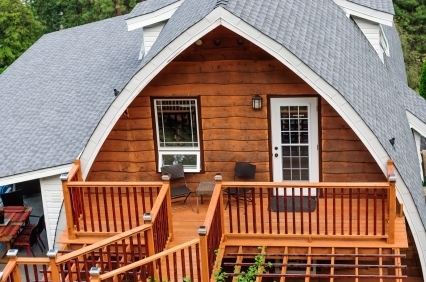
Although the size of the average home has nearly doubled in the last half-century, timber frame construction techniques offer abundant design options when designing a small home. 1. Use Open Concept Design Contemporary construction practices and materials make it possible to
7 Tips in Designing a Small Home Read More »
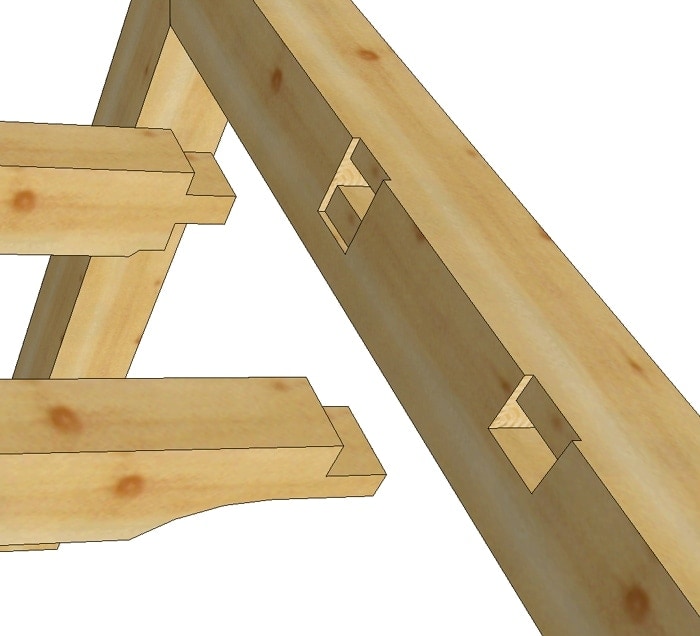
Here is an exploded view of a pair of purlin joints where they meet the rafter. An experienced timber framing engineer should review each frame design for the exact design of this joint.Loads, spans, type of wood, and possibly other factors
Purlin Joints at Rafter Read More »
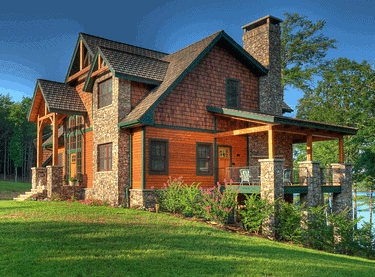
In this episode my guest will be Eric Morley with Carolina Timberworks, a contractor and timber framer. We are going to dig into what a contractor is, the process of getting one, talk about the DIY home builder, his thoughts on the
Episode 4 – Digging Into General Contracting with Eric Morley Read More »
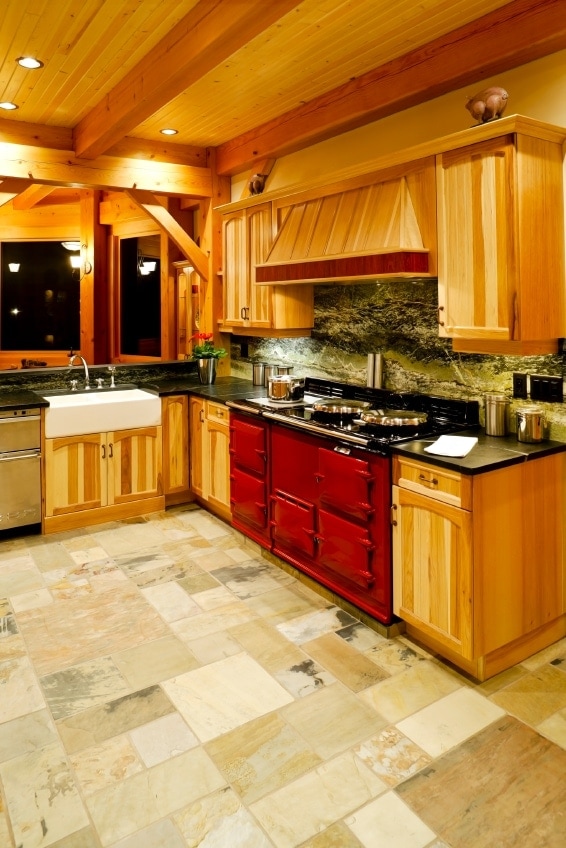
Building a timber frame home can be an intimidating and stressful venture. The benefits of making a construction schedule include keeping the project on track. Here are five reasons why a construction schedule is an important resource in the home-building process: 1.
5 Benefits of Making a Construction Schedule Read More »
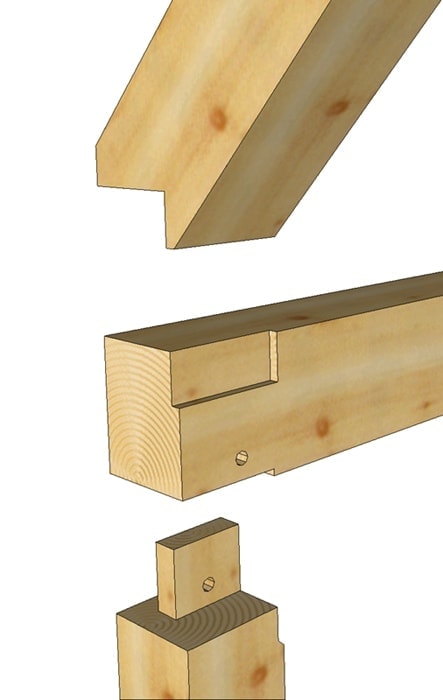
Here is an exploded view of a bird’s mouth rafter foot where it meets the plate. A typical timber frame joint where a rafter meets a plate is called a bird’s mouth, and this is a tremendous isometric rendering of
Birds Mouth at Timber Frame Rafter Foot Read More »
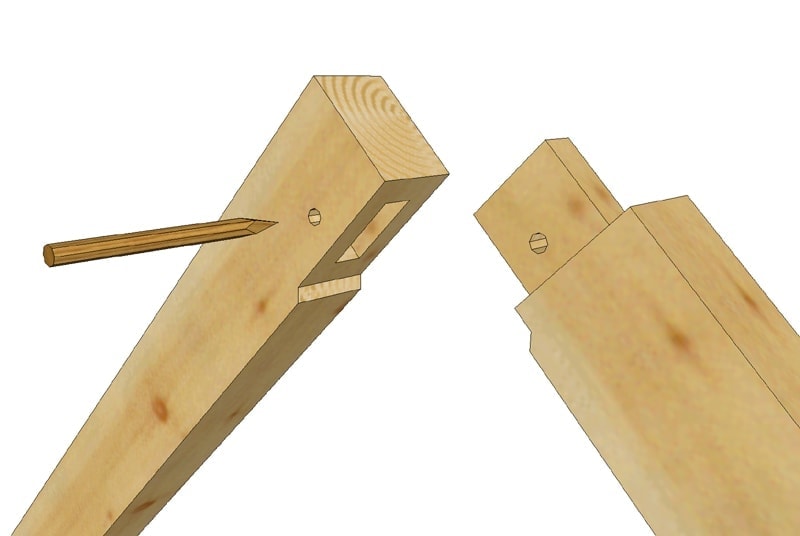
This is an exploded view of a tongue and blind mortise at the ridge.The rafters are again 4×6 at 12/12 pitch with a 1 1/2″ tenon and mortise with a 3/4″ peg.The mortise doesn’t go all the way through the
Rafters at Ridge Tongue and Blind Mortise Read More »
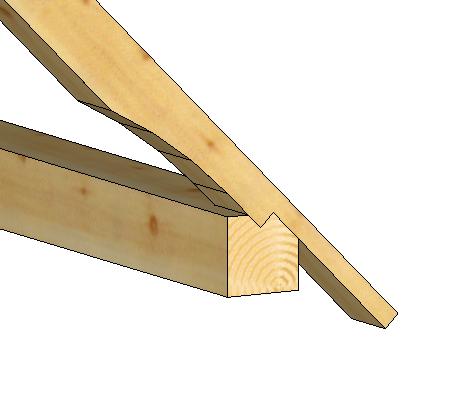
This joint is known as a “step lap rafter tail,” and the joint in the plate is known as a step lap rafter seat. I believe it gets its name as the tail laps over the plate, which creates an
Step Lap Rafter Tail and Plate Read More »
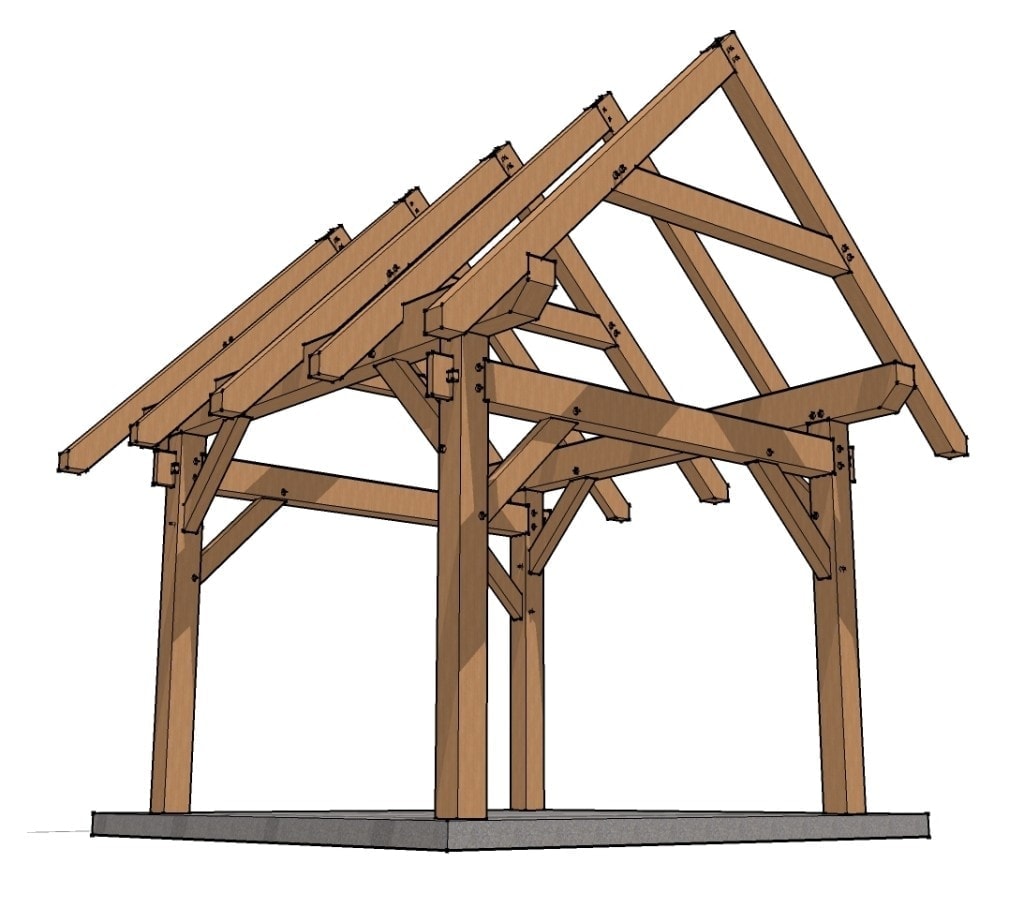
This 12×12 timber frame is as versatile as it is practical—perfect for building a porch, shed, or pergola over a hot tub. Compact enough for most yards and patios, yet substantial in design, it’s a great hands-on project for builders
12×12 Timber Frame Plan Read More »
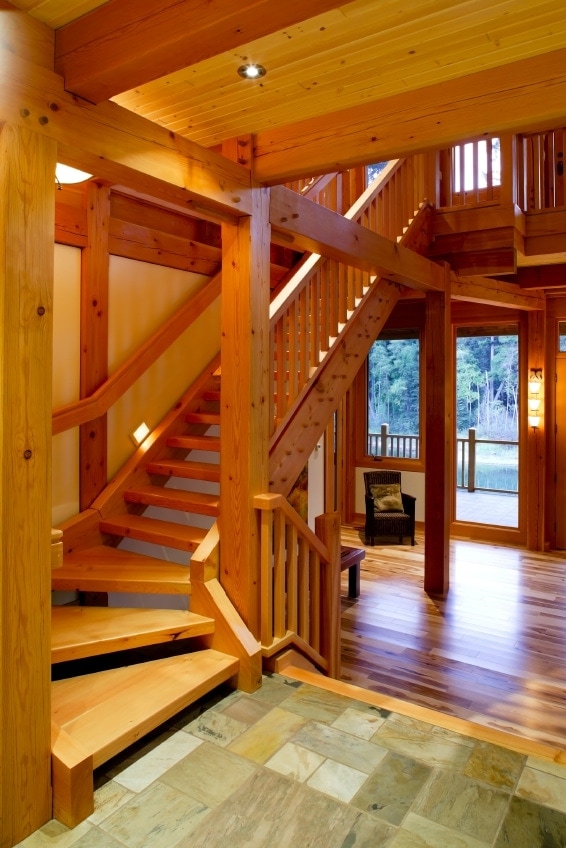
Since 1970, the average size of a new home has nearly doubled, from an average of 1,400 square feet to 2,700 square feet, as the number of people in a household continues to drop. While many people may think that
5 Advantages to Building a Small Timber Frame Home Read More »
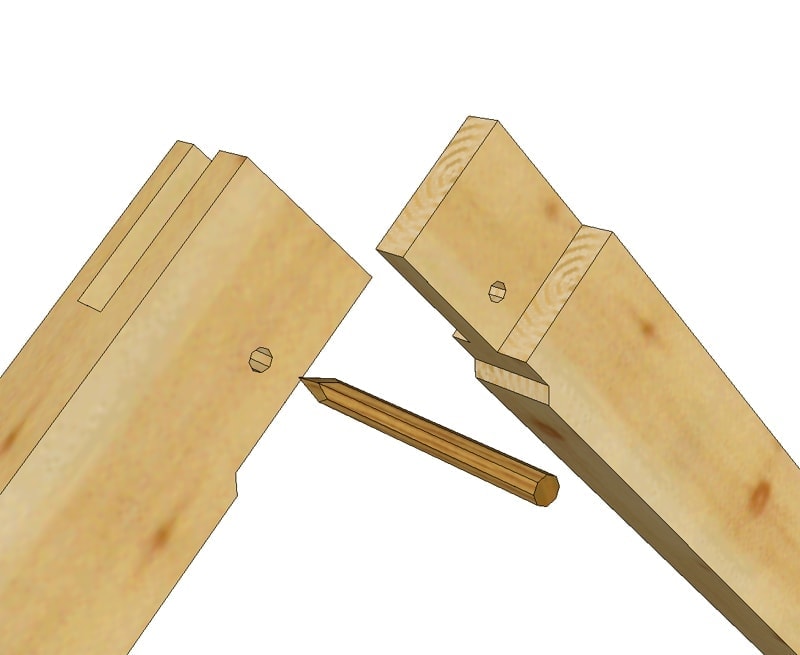
This joint is known as the tongue and fork joint. Here is an exploded view of two 4×6 rafters at 12/12 pitch with 1 1/2″ tenon set 1 1/2″ off the reference side with a 3/4″ oak peg.To ensure a
Rafters at Ridge – Timber Frame Tongue and Fork Joint Read More »