
Choosing a general contractor for your timber frame home or structure may be the single most important decision you'll make after selecting your timber frame company. Your general contractor will be responsible for transforming your timber frame plans into reality—coordinating everything from foundation excavation to final walkthrough, managing dozens of tradespeople, and solving the inevitable challenges that arise during construction.
This decision is even more critical for timber frame projects than conventional construction. Timber framing requires specialized knowledge, careful coordination with your timber frame company, and experience integrating traditional mortise and tenon joinery with modern building systems. The right contractor can make your project smooth and enjoyable; the wrong one can turn your dream into a nightmare.
This guide will walk you through every step of finding, evaluating, and working with a general contractor who can bring your timber frame vision to life.
Understanding the General Contractor's Role
Before you begin searching for a contractor, it's important to understand exactly what you're hiring them to do. A general contractor is far more than someone who shows up with tools—they're the project manager, problem solver, and coordinator of your entire build.
Core Responsibilities:
Your general contractor serves as the central hub of your construction project. They hire and supervise all subcontractors—electricians, plumbers, roofers, HVAC specialists, and finish carpenters. They ensure these teams arrive in the correct sequence, have the materials they need, and complete their work to code and on schedule. According to the National Association of Home Builders (NAHB), effective scheduling and coordination is one of the primary factors that separates successful projects from problematic ones.
The contractor manages your budget, tracking expenses and ensuring the project stays within financial parameters. They maintain communication with your timber frame company, your architect or designer, building inspectors, and you. They order materials, verify deliveries, and maintain site safety. When problems arise—and they always do in construction—your contractor is responsible for finding solutions quickly and cost-effectively.
For Timber Frame Projects Specifically:
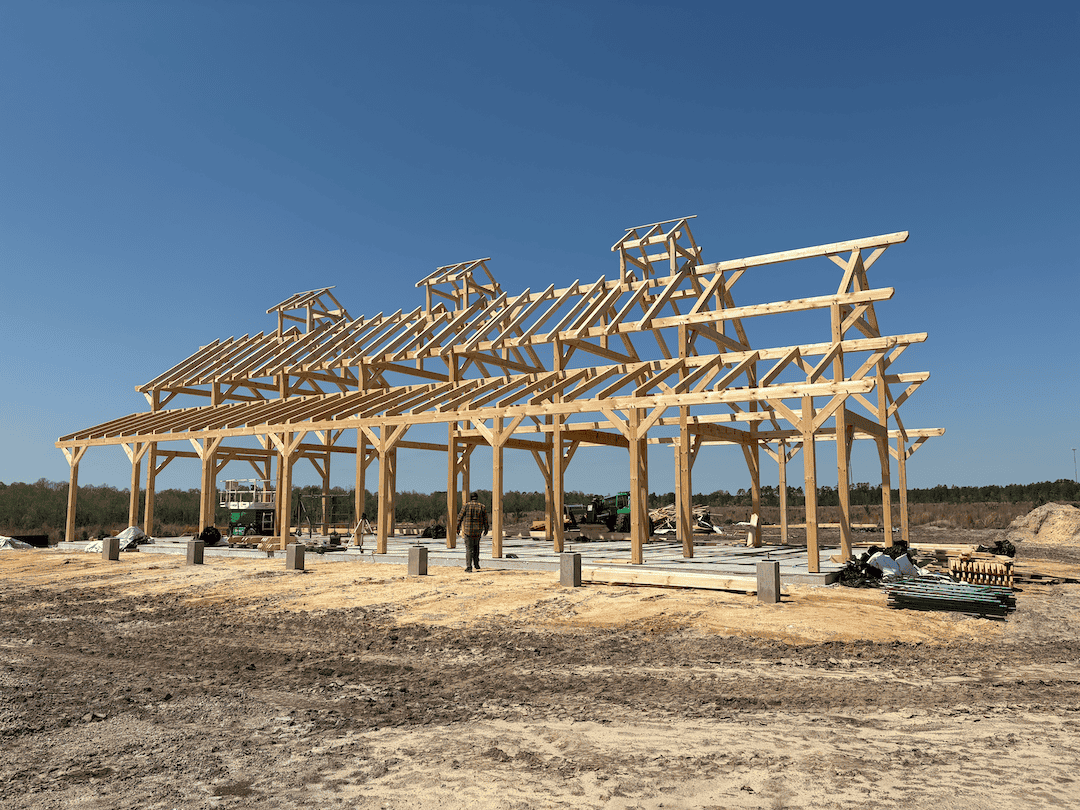
Timber frame construction adds layers of complexity that conventional builders may not understand. Your contractor needs to coordinate the timber frame raising, which often requires crane rental and experienced crew scheduling. They must understand how to integrate the timber frame with the building envelope, whether you're using structural insulated panels (SIPs), conventional framing, or a hybrid approach.
As Paul Freeman of Brooks Post & Beam emphasizes in his approach to custom timber frame homes, bringing contractors into the design process early creates better outcomes: "We try to figure out how to give clients what they want for the best possible value, and that means getting contractors involved early so they can help come up with ways to create the features our clients want at the least cost."
The contractor must work closely with your timber frame company to ensure proper foundation preparation, coordinating bolt patterns for timber posts, and understanding the unique structural requirements. They need to schedule around the frame raising and understand that weather delays can impact timber delivery and raising schedules differently than conventional construction.
What Makes Timber Frame Projects Different
If you're building with timber framing, your general contractor needs specific experience and understanding that goes beyond conventional home construction. These differences aren't minor details—they fundamentally affect how your project is built.
Technical Knowledge Requirements:
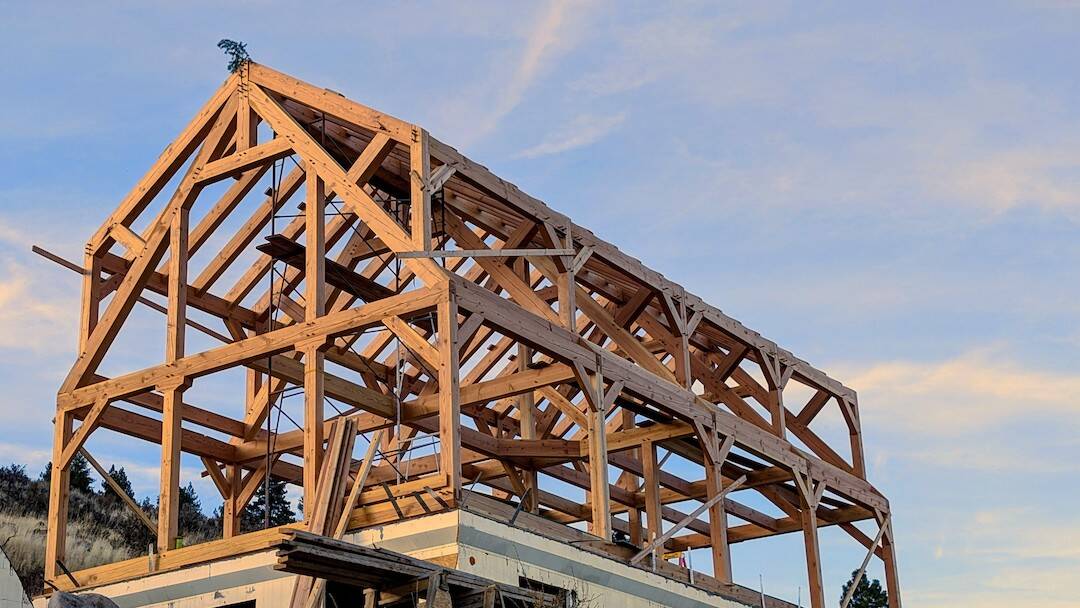
A contractor experienced with timber framing understands mortise and tenon joinery and how these traditional connections create the structural system. They know that timber frames aren't just decorative—they're the primary structure, and everything else must be designed around them. This is fundamentally different from conventional stick-frame construction where walls provide structure.
Your contractor needs to understand that timber frames require different foundation preparation. Post locations must be precise—there's no room to "adjust a few inches" once concrete is poured. They should know how to read timber frame shop drawings and understand terms like "king post," "purlin," "knee brace," and "girt."
The integration of building envelope systems requires special attention. If you're using SIPs, your contractor must coordinate panel delivery with frame erection and understand how these panels attach to timbers. If using conventional wall systems, they need to know how to frame walls around existing timber posts and beams without compromising the structure.
Coordination and Timing:
Timber frame projects have unique scheduling requirements. The frame raising is typically a one-to-three-day event requiring crane rental and clear weather. Your contractor must coordinate subcontractors around this critical milestone. Electricians and plumbers need to understand they're working around a timber structure, not through it. HVAC ductwork often requires creative routing since you can't run ducts through solid timber beams.
Specialized Trades:
Timber frame projects often require subcontractors with specific experience. Finish carpenters need to understand how to work around hand-crafted joinery. Electricians must route wiring without compromising timber integrity. Roofers working with timber trusses face different challenges than conventional roof framing. Your general contractor needs relationships with trades who understand these nuances.
Building Code Considerations:
While timber framing is a time-honored method that meets all modern building codes, inspectors unfamiliar with timber construction may need education. Your contractor should be comfortable explaining timber frame engineering to building officials and have experience obtaining permits for timber structures in your jurisdiction.
Finding Qualified Contractor Candidates
With a clear understanding of what you need, you can begin building a list of potential contractors. The National Association of the Remodeling Industry (NARI) recommends interviewing at least three contractors before making a decision—but for timber frame projects, you should prioritize quality over quantity. Three excellent candidates are better than five mediocre ones.
- Local Building Associations: Many regions have building or construction associations. They often have directories of local contractors. Check out The National Association of Home Builders for a list of them.
- Online Contractor Directories: Websites like HomeAdvisor, Angie's List, or Houzz can be valuable resources for finding contractors with specific expertise in timber framing.
- Architectural or Design Firm Recommendations: If you're working with an architect or a designer for your project, they can often recommend experienced contractors.
- Word-of-Mouth Referrals: Ask for recommendations from friends, family, or colleagues who have undertaken similar construction projects.
- Social Media and Online Forums: Platforms like LinkedIn, Facebook groups, or specialized forums can be useful for getting contractor recommendations and reviews.
Other Valuable Sources:
Local building inspectors interact with contractors regularly and know who consistently produces quality work and maintains proper documentation. While they may not officially recommend contractors, they can often tell you who to avoid.
Building supply companies and lumber yards see contractors' buying habits and payment patterns. A contractor who buys quality materials and pays bills on time is usually one who runs a professional operation. As This Old House contributor Tom Silva notes, employees at local lumber yards "interact with contractors regularly and know which ones buy quality materials and pay their bills on time."
Drive your area looking for timber frame homes under construction. If you see quality workmanship and organized job sites, stop and ask who the builder is. Many homeowners are happy to discuss their experience with their contractor—especially if they're pleased with the work.
Red Flags During Your Search:
Be cautious of contractors who claim they can build anything but have no specific timber frame experience. Conventional home building and timber frame construction require different skill sets. A contractor who dismisses the importance of timber frame experience or says "wood is wood" doesn't understand what they're getting into.
Avoid contractors who are difficult to reach during the bidding process. If they're not responsive when trying to earn your business, communication will likely worsen once you've signed a contract.
The Request for Proposal (RFP) Process
Once you have a list of three to five potential contractors, it's time to get formal proposals. The Request for Proposal (RFP) process is essential for obtaining comparable bids that allow you to make an informed decision.
Why RFPs Matter:
- Without a formal RFP, you'll receive proposals that are impossible to compare fairly. One contractor might include all appliances in their bid while another assumes you're purchasing them separately. One might include landscaping while another stops at rough grading. These differences can represent tens of thousands of dollars and make cost comparison meaningless.
- An RFP creates a level playing field. You provide all contractors with identical information about your project and requirements, then evaluate their responses on equal terms. This transparency benefits everyone—you get comparable bids, and contractors know exactly what's expected.
Learn more about RFP in our guide: Getting Apples to Apples Bids for Your Timber Frame Construction Project
Structure your RFP so contractors provide information in similar formats. Request itemized cost breakdowns covering the same categories: site work, foundation, framing, mechanical systems, finishes, etc. Ask for similar timeline information and warranty details.
Make yourself available for site visits and questions. If one contractor asks a clarifying question, share your answer with all bidders. This ensures everyone is working from the same information.
Some contractors may push back on detailed RFPs, claiming they prefer to work more informally. This is a red flag. Professional contractors understand that detailed proposals protect everyone involved and lead to better outcomes.
Contractors Responsibilities Checklist
The contractor manages the job site and supervises the work and the workers. This includes the plumbers, electricians and roofers, as well as carpenters and general labor workers. Workers may be in the employ of the contracting company or they may be sub-contractors.
General Responsibilities
- Carrying out the desired plans and instructions of the clients
- Effective communication skills when dealing with clients, professionals and local authorities
Financial Bid Process
- Preparing Scope of work and RFP Documents
- Establish a budget for the construction project and follow that budget as closely as possible
- Draw Schedule and Breakdown – Used by the bank, owner and Contractor to help insure a smooth project
- Prepare a monthly report – Containing a Budget Worksheet, copies of all Invoices, updated schedule and a overview of work completed that month and what is coming up.
Coordination of Construction
- Adhering to the necessary building standards and safety regulations
- Create and maintain a Construction Schedule
- Ensuring the delivery of the needed materials and equipments
- Calculate and correctly estimate the quantity of materials to be used
- Having a site superintendent on site or be there constantly
- Recruiting and hiring qualified subcontractors who will aid in the construction process
- Liaison between the owner and the craftsmen on issues of concern
Essential Questions to Ask Prospective Contractors
When interviewing contractors, many homeowners struggle to know what to ask. Here's a comprehensive list organized by category. Not every question will apply to every project, but this framework covers the critical areas you need to explore.
Download Our Top Questions
Experience and Qualifications
Generic experience isn't enough. You need timber frame-specific experience. A contractorwho has built a hundred conventional homes but only one timber frame project doesn't have the expertise youneed. Ask to see photos from multiple angles showing integration of the timber frame with the buildingenvelope, finish work around timbers, and overall craftsmanship.
Licensing requirements vary by state and sometimes by project size. In North Carolina, forexample, any project exceeding $30,000 requires a licensed contractor. Verify your state's requirementsthrough your state licensing board. For insurance, Better Builders recommends contractors maintain: Generalliability insurance of at least $2 million, Workers' compensation insurance for all employees, and Commercialvehicle insurance. Request certificates of insurance directly from their insurance company, not copies thecontractor provides.
While membership isn't required, it demonstrates commitment to professional developmentand ethical standards. These associations maintain codes of ethics and often provide continuing education thatkeeps contractors current with building practices and codes.
Project Management
Professional contractors use scheduling software or detailed charts to coordinate multipletrades. They should explain their process for managing the critical path—the sequence of tasks that must becompleted on time to avoid project delays. For timber frame projects, they should specifically discuss how theycoordinate around the frame raising.
Modern contractors increasingly use project management platforms that provide clients withaccess to schedules, budgets, photos, and documents. Patrick A. Finn describes their client portal: 'A messageboard where you can communicate with your design-build team's project manager to share information and askquestions; A folder with important paperwork such as invoices, contracts, proposals, and project drawings; Listsof all client selections.' Even if they don't use sophisticated software, contractors should have a clear system fortracking progress, changes, and communications.
Change orders—modifications to the original scope—are common in construction. Thecontractor should have a formal process: written documentation of the change, pricing before work begins,timeline impact assessment, and your written approval before proceeding. Verbal change orders are a recipefor disputes.
Team and Subcontractors
Your contractor's insurance may not cover injuries to uninsured subcontractors on yourproperty. Verify that all trades carry appropriate licenses and insurance for their specialties.
Prior experience working together streamlines coordination. If they haven't worked together,your contractor should have a plan for communication and scheduling with your timber frame company.
Financial and Legal
Sometimes genuine surprises occur—unexpected soil conditions, hidden structural issues in remodels, or code requirements that weren't apparent during planning. Your contractor should explain their process for handling these situations: immediate communication with you, clear documentation of the issue,proposal for resolution including costs, and your approval before proceeding.
Most states require a one-year warranty on workmanship, but many quality contractors offer longer terms. Material warranties come from manufacturers, but labor warranties come from your contractor. Get warranty terms in writing as part of your contract.
Professional contractors should have a structured approach: direct discussion to resolve issues, escalation to formal mediation if necessary, and arbitration as a last resort before litigation. The process should be documented in your contract.
Contractors sometimes face circumstances that prevent project completion—business failure, health issues, or other problems. Your contract should address this scenario, including how project documentation and materials will be transferred to a new contractor.
Communication and Process
Professional contractors maintain detailed records: daily logs, photo documentation, meetingnotes, and decision documentation. This protects both parties if disputes arise and provides a clear projectrecord.
This question reveals organizational habits. Quality contractors should be able to show you examples of their scheduling systems, budget tracking, and communication documentation (with client details redacted for privacy).
Your timber frame project represents more than a construction project—it's an investment in your future, a place where memories will be made, and a structure that can last for generations. Taking time to find the right general contractor to bring that vision to life is one of the most important decisions you'll make in the entire process.
Choose carefully, communicate clearly, and trust the partnership you've built. With the right contractor, your timber frame project can be an enjoyable, rewarding journey that results in a home that exceeds your expectations.
My employer and I are looking for a contractor to build a concrete barrier close to our company’s site, but until we read these helpful tips on your website, we weren’t able to find one. It was helpful when you advised asking prospective contractors how long they have been in business and whether they have any experience with timber framing. If so, which businesses have they worked for? Verify that they are prepared to collaborate with the architect or designer during the design process. This seems like some great advice, and we’ll keep it in mind as we look for a general contractor. Thanks.
Thank you for your thoughts!